As the global economy shifts toward sustainable development, the management of industrial infrastructure safety in Vietnam has entered a new chapter in 2026. Factory structural inspection is no longer merely a bureaucratic formality to satisfy auditors; it has become a mandatory, periodic requirement—or a critical response to damage—that enables manufacturers to ensure the absolute safety of both their workforce and their assets.
FACTORY INSPECTION - UPDATING THE LATEST STANDARD PROCEDURES 2026 IN VIETNAM
2026 FACTORY INSPECTION OVERVIEW
Factory structural inspection is currently defined as the process of reviewing and assessing the safety levels and load-bearing capacity of a facility's structure. This is a mandatory step to ensure operational safety and legal compliance. For this process, enterprises should select reputable construction consultancy firms to conduct rigorous inspections, evaluating the quality and integrity of the structure against its original design while strictly adhering to current technical codes and standards.
-
Objectives: Early identification of signs of deterioration, settlement, or cracking; prevention of structural collapse; and safeguarding production safety.
-
When to Inspect: During renovations, floor additions, solar panel installations, or when the building shows signs of cracking, settlement, degradation, or a change in functional use.
-
Scope of Work: Inspection of load-bearing structures (foundations, columns, beams, slabs), MEP systems (mechanical, electrical, plumbing), and Fire Fighting & Prevention (FFP) safety.
-
Value Added: Ensures legal compliance, optimizes maintenance costs, and enables stable operations in accordance with statutory regulations.
MANDATORY CASES FOR FACTORY STRUCTURAL INSPECTION
According to Decree No. 06/2021/ND-CP, factory structures must undergo inspection in the following scenarios:
-
Periodic Inspection: Conducted according to the regulated maintenance cycle.
-
Changes in Function or Loading: Converting from light storage to heavy machinery production, or installing additional production lines on upper floors.
-
Renovation, Floor Additions, or Solar Panel Installation: Required to assess whether the existing structural framework (columns/beams) can sustain the increased load.
-
Detection of Abnormalities: When the factory exhibits signs of column cracking, beam deflection, ground settlement, or following incidents such as fires, explosions, or flooding.
-
Extension of Service Life: When the facility has reached its design life expectancy, but the enterprise intends to continue its operation.
Failure to perform mandatory factory inspections may result in administrative penalties for investors or management units under Decree No. 16/2022/ND-CP.
STANDARD FACTORY INSPECTION PROCESS 2026
The current factory inspection process is integrated with advanced diagnostic equipment to ensure absolute precision.
Step 1: Site Survey and Documentation Review The inspection unit collects as-built drawings and original design dossiers, followed by a preliminary site survey to identify critical structural points.
Step 2: Detailed Structural Examination This is the most crucial phase, comprising the following technical tasks:
-
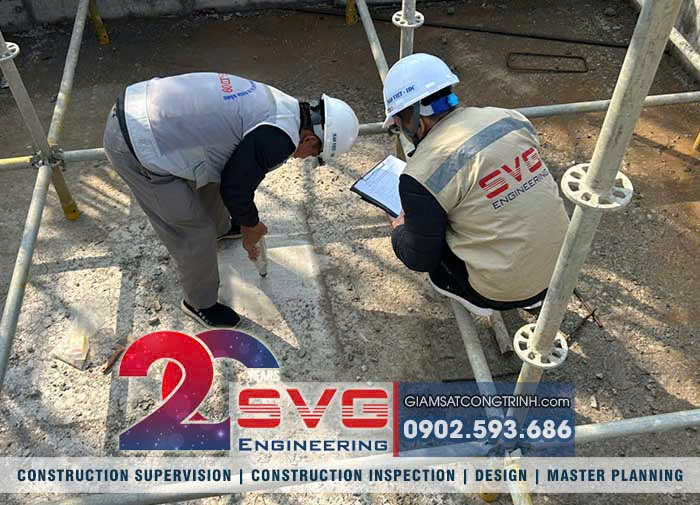
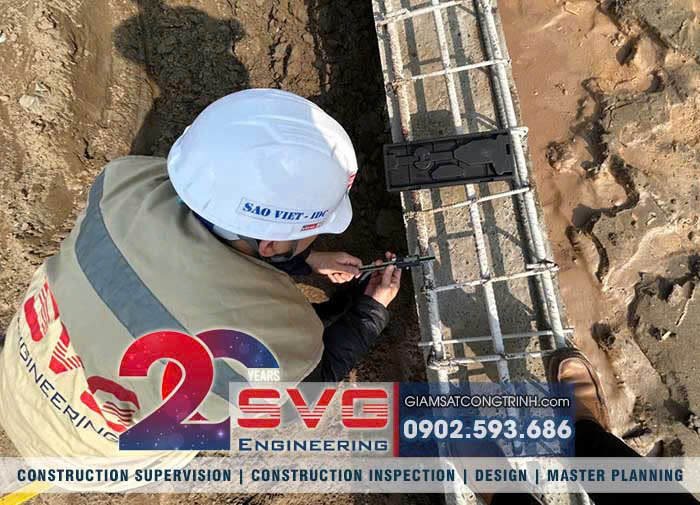
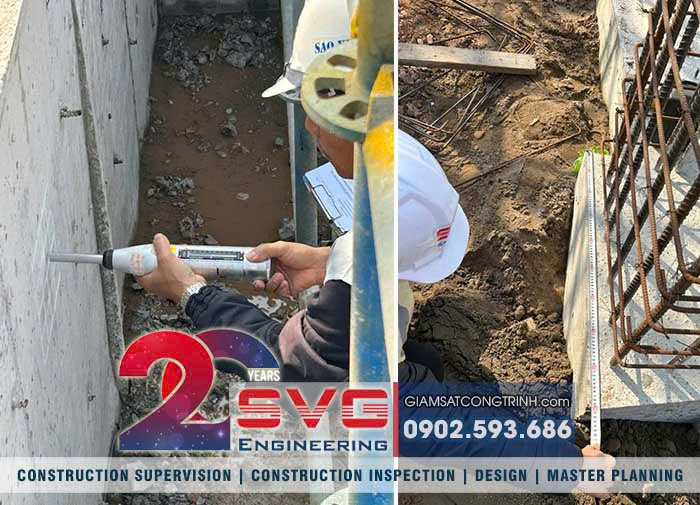
Geometric Verification: Re-measuring actual dimensions against the original blueprints.
-
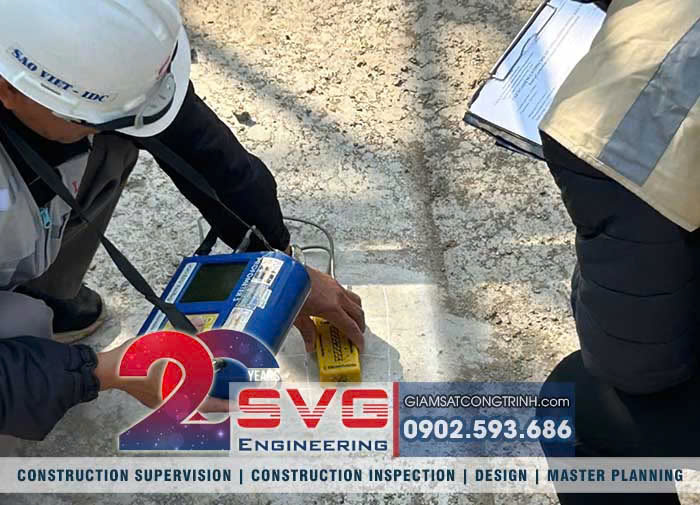
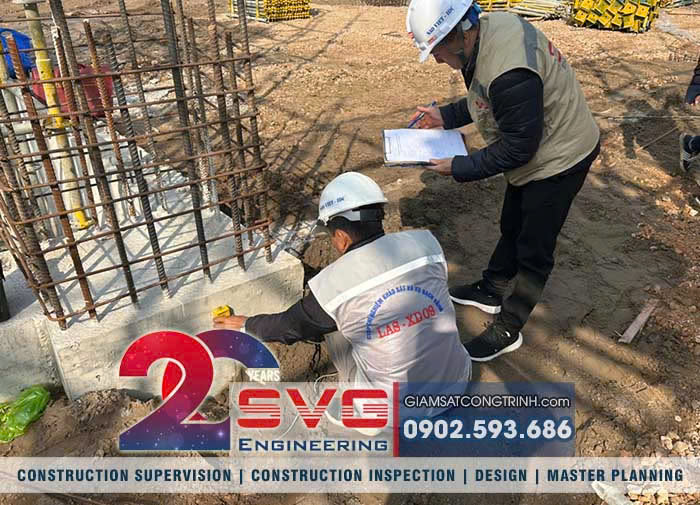
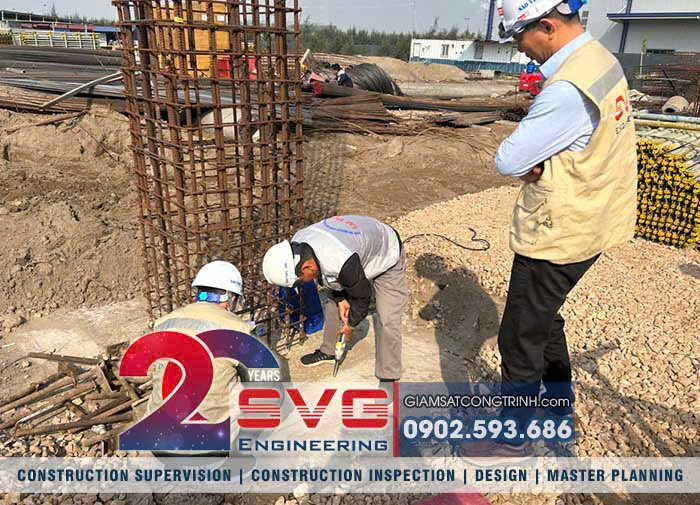
Concrete Strength Testing: Utilizing rebound hammers or core drilling for compression testing (if required).
-
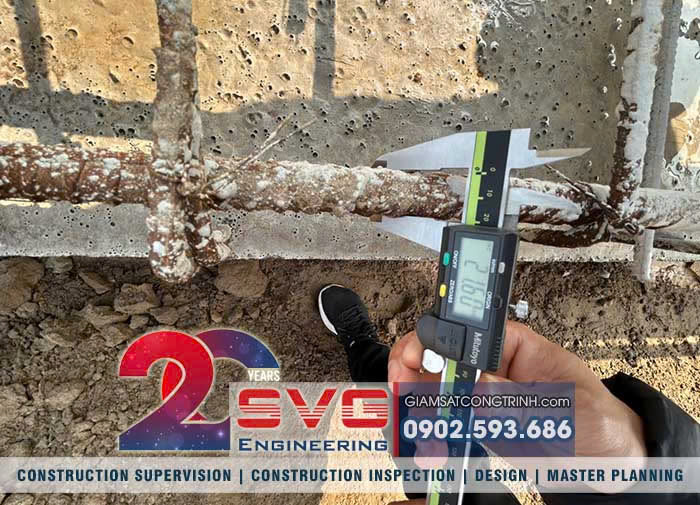
Rebar Inspection: Using ultrasonic scanners to determine bar diameter, quantity, and the thickness of the concrete cover.
-
Steel Connection Audit: For steel-frame factories, technicians inspect bolt tightness and weld quality using penetrant testing (PT) or ultrasonic testing (UT).
-
Verticality and Settlement Measurement: Determining if the structure suffers from excessive tilting or differential settlement.
Step 3: Laboratory Material Testing (if required) Material samples (steel, concrete) collected from the site are sent to specialized laboratories (LAS-XD) to analyze physical and chemical properties.
Step 4: Structural Calculations and 3D Modeling Engineers utilize advanced software such as SAP2000 or ETABS to simulate the factory structure. Actual live loads are inputted into the model to calculate the safety factor.
Step 5: Conclusion and Recommendations The final Structural Inspection Report will explicitly state whether the factory is "Safe" or "Unsafe." If it fails to meet requirements, the unit must propose a design solution for structural reinforcement or renovation.
SELECTING A REPUTABLE FACTORY INSPECTION UNIT: THE GOLDEN CRITERIA
Do not focus solely on low costs. A factory inspection certificate lacking legal validity can result in billions of VND in losses for an enterprise should an incident occur. Always verify the following:
-
Construction Capacity: The unit must hold a Construction Capability Certificate (Class I, II, or III) issued by the Ministry of Construction or the Department of Construction.
-
LAS-XD Laboratory Partnerships: Current regulations do not strictly require an inspection unit to own an in-house laboratory. However, they must collaborate with reputable LAS-XD testing facilities certified by competent authorities to perform specialized construction testing. Ensure they possess a valid registration code and that all equipment undergoes periodic calibration.
-
Engineering Expertise: The technical team must hold Professional Practice Certificates in structural inspection corresponding to the project's classification.
-
Proven Track Record: Priority should be given to units with extensive experience in projects of similar scale and industrial sectors.
2026 FACTORY INSPECTION: A LONG-TERM INSURANCE INVESTMENT FOR SUSTAINABLE STRUCTURES
- In 2026, factory inspection is no longer a financial burden; it is a strategic insurance investment for an enterprise's sustainable growth. Mastering the inspection process and taking timely action allows business owners to operate with peace of mind, optimize performance, and enhance their reputation in the international marketplace—while simultaneously safeguarding both assets and human lives.
- Sao Viet Design Consultancy and Construction Inspection Joint Stock Company (SVG Engineering) is a prestigious brand with 20 years of expertise in the field of construction inspection and forensic engineering. Headquartered in Hai Phong with representative offices in Hanoi, Hue and Ho Chi Minh City, the SVG Engineering brand has earned the unwavering trust and satisfaction of numerous investors and clients. We handle factory inspection projects ranging from simple structures to complex industrial facilities.
- We confidently provide definitive solutions for rectifying structural failures, such as degradation, damage, settlement, or cracking, as well as comprehensive renovation and upgrading services.
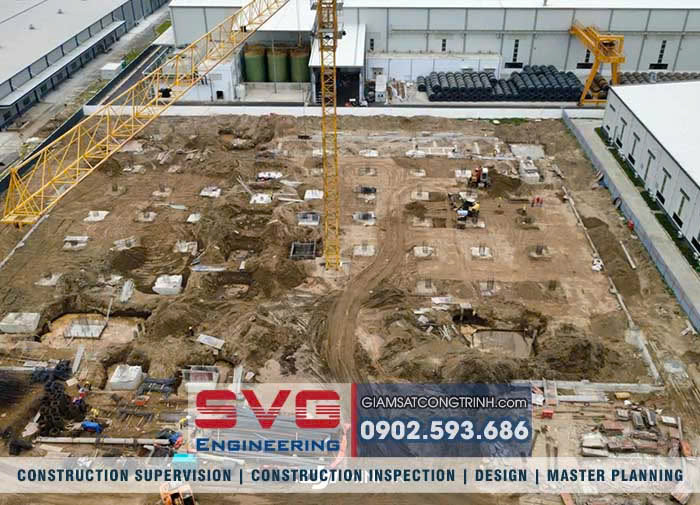
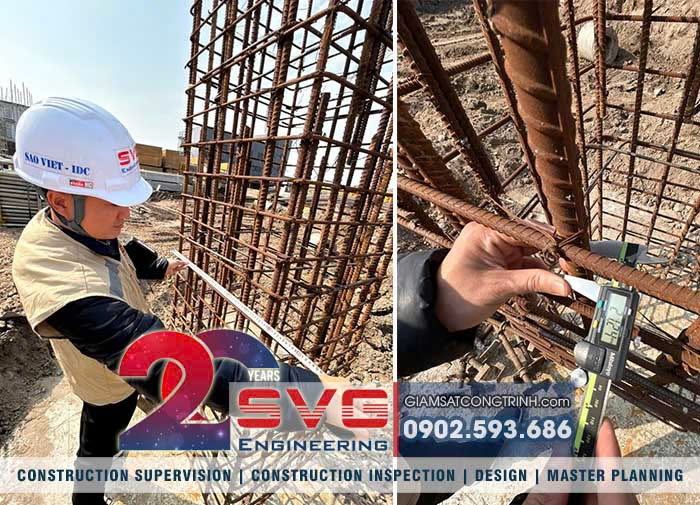
SVG ENGINEERING - FACTORY INSPECTION IMAGES

COST OF FACTORY INSPECTION IN VIETNAM
Please immediately contact Hotline: 0902.593.686 (Mr. Thang) & Email: svg.engineer@gmail.com for support and advice on issues related to Factory Inspection in Viet Nam ... Best regards!

VietNam construction consulting - Mr. Thang 0902.593.686
CONTACT US:
SAO VIET CONSTRUCTION DESIGN CONSULTING AND INSPECTION JOINT STOCK COMPANY
🏢 Hai Phong Office :
Address : 7th floor SVG Building - Bui Vien Street - An Bien Ward - Hai Phong City
☎ Tel: (0225) 3.747.819
📞 Hotline: 0902.593.686
📧 Email: svg.engineer@gmail.com
🌎 VietNam Website: giamsatcongtrinh.com
🌎 English Website: en.giamsatcongtrinh.com
🌎 China Website: cn.giamsatcongtrinh.com
 Youtube Channel: https://www.youtube.com/@svgengineering
🏢 Representative offices:
- Ha Noi Branch Office : No. 9/ 81 Hoang Cau Street, Dong Da Ward, Hanoi Capital
- Ho Chi Minh Branch Office: 2/1C Cao Thang Street, Ban Co Ward, Ho Chi Minh City
- Hue Branch Office : M25 Lot , 21 Street, Dong Nam Thuy An, Thanh Thuy Ward, Hue City